
6 Real 4S LiPo Batteries Worth Buying — Based on How You Actually Use Them
Shopping for a 4S LiPo gets confusing fast because too many batteries look “close enough” on paper. In real use, they aren’t. A pack that works beautifully on a sub-250 micro can feel completely wrong on a 3.5-inch cinewhoop. A battery that makes sense on a heavy basher can be unnecessary weight everywhere else. So rather than pretending one 4S pack fits every job, this page keeps it simple: six 4S batteries I’d actually recommend, each matched to a setup where it makes sense.
Start with your setup, not the label. If your build already feels heavy, buying more battery usually makes it worse. If it feels weak halfway through the job, you may need more usable pack—or a better matched one—not just a bigger number. Each pick below is here for a specific reason.
- Whether the size suits the job
- Whether the connector makes sense for the setup
- Whether the pack helps the build—or drags it down
- Whether I can recommend it honestly without pretending it suits everyone
The 6 Real-World 4S Picks
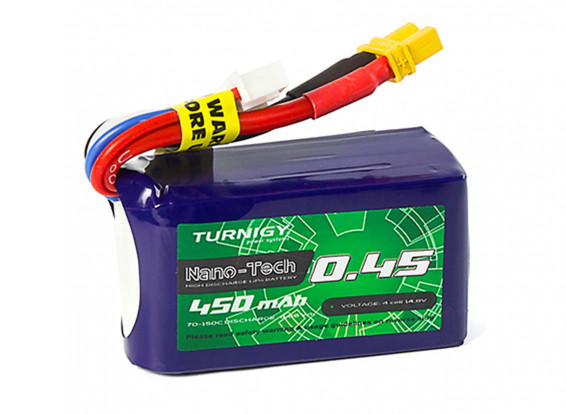
This is the pick when your biggest problem is keeping the build light.
On 2–2.5” micro FPV builds, it doesn’t take much battery to turn a fun setup into a sluggish one. This pack makes sense because it keeps the quad feeling lighter and more direct instead of letting the battery become the reason the build feels dragged down.
Why I’d recommend it
If your micro build gets clumsy the moment you go up in battery size, this is the kind of pack that brings it back into a usable range. The XT30 also fits the kind of setup this battery belongs on.
When I wouldn’t recommend it
If you want longer flights, a heavier payload, or a more relaxed outdoor setup, this is probably too small. It’s a lightweight solution, not a “make everything easier” battery.
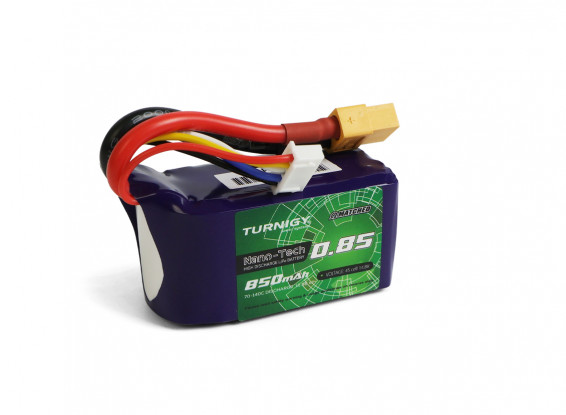
This is the one I’d look at when a cinewhoop feels heavier than it should.
A lot of 3.5” cinewhoops don’t actually need more battery. They need less drag. If the quad feels slow to react, wide in turns, or just a bit lazy in tighter moves, this is the kind of pack that often fixes the feel without making the setup too short-lived.
Why I’d recommend it
It usually lands in the sweet spot where you keep enough usable punch for controlled throttle work, but don’t load the frame up so much that the whole thing starts feeling dense and stubborn.
When I wouldn’t recommend it
If your priority is longer outdoor cinematic lines or a heavier payload, you’ll probably want more pack than this. This is a balance choice, not a max-runtime choice.
Turnigy BoltX 2400mAh 4S 15.2V LiHV 80C w/ XT60
2400mAh · LiHV · 80C · XT60
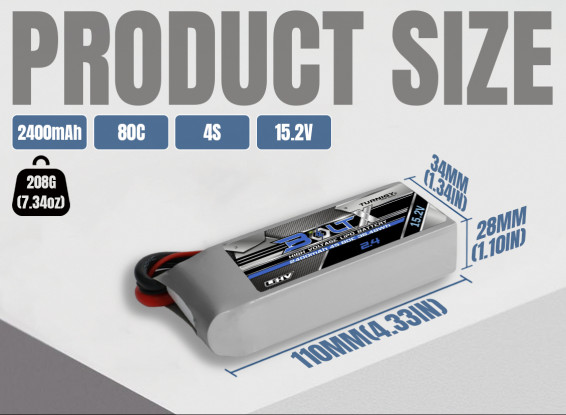
Choose this when your setup genuinely benefits from LiHV.
This is a more specialized battery. It makes sense on efficient long-range builds or smaller fixed-wing setups where higher-voltage LiHV behavior and energy density are part of the appeal. That’s where this kind of pack can give you something useful, not just a nicer-looking label.
Why I’d recommend it
If you already know your setup benefits from LiHV and you have the charger to support it properly, this is a solid fit. The XT60 also keeps it in the right kind of ecosystem.
When I wouldn’t recommend it
If you just want a normal 4S pack and don’t want the extra LiHV charging requirement, skip it. This only makes sense if you’re actually using the chemistry advantage.
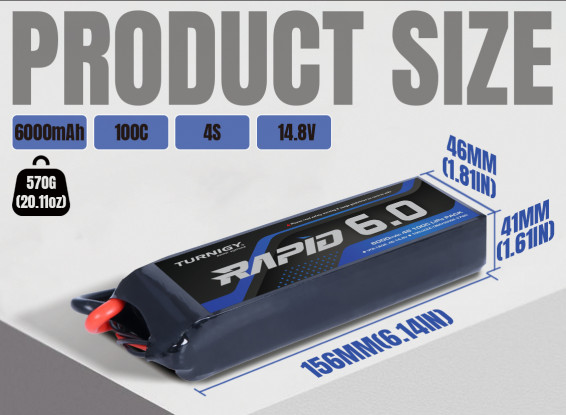
This is for heavy RC cars that really do stress a battery hard.
Big 1/8 vehicles that hit hard off the line don’t need wishful thinking. They need a pack that belongs in a high-demand setup. This one is much easier to justify when the vehicle genuinely abuses the battery from launch and through repeated hard throttle use.
Why I’d recommend it
If your RC car is the kind of setup that punishes weak packs immediately, this is the sort of battery that makes sense. XT90 is also exactly where a pack in this class belongs.
When I wouldn’t recommend it
If your platform is more casual than violent, this may just be extra size and extra cost for no real gain.
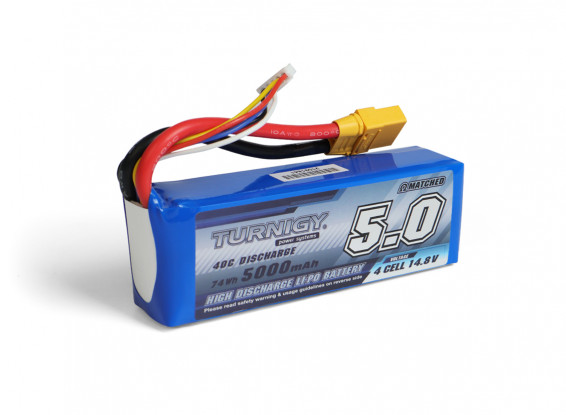
If you want a sensible 4S all-rounder, this is the easy recommendation.
Not every 4S setup needs an extreme discharge number. If you want a battery for everyday RC car use, or a more normal 4S choice for a boat or general surface setup, this is the kind of pack that makes sense without trying to impress you with unnecessary extremes.
Why I’d recommend it
It’s the practical pick in this list. Good usable capacity, XT90 where it belongs, and no need to pretend every user is building for maximum punishment.
When I wouldn’t recommend it
If you’re building around aggressive launch loads, speedrun-style abuse, or a heavy platform that really does need more discharge margin, then this is probably not the one.
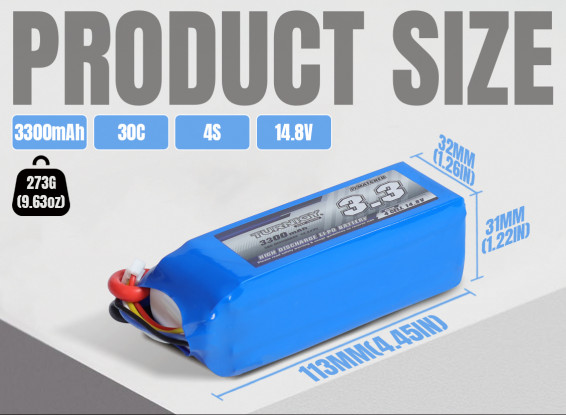
This is the right battery when tray fit is the real issue.
Shorty packs are not “better” in the abstract. They’re better when the format solves something physical that a normal pack doesn’t. If your crawler or compact platform needs a shorter pack for tray fit or CG placement, that’s where this battery actually becomes useful.
Why I’d recommend it
The point here is not just capacity. It’s the format. If standard-length batteries keep causing fit or placement compromises, this kind of pack can solve the real issue cleanly.
When I wouldn’t recommend it
If you don’t need a short pack, don’t force yourself into a niche form factor just because it looks interesting. The tray problem has to be real.
Quick summary: which one sounds like your setup?
Need the build to stay light?
Start with the 450mAh 4S.
Need a cinewhoop pack that doesn’t drag the frame down?
Look at the 850mAh 4S.
Need LiHV to actually do useful work?
The BoltX 2400mAh is the right conversation.
Need a real heavy-load basher pack?
The Rapid 6000mAh is the serious option.
Need a normal 4S all-rounder?
The 5000mAh 40C is the easy recommendation.
Need a short pack because of tray fit?
The 3300mAh Shorty is the specialist pick.


